
Unlocking the Art of Landscaping Drawing: A Visual Guide for Homeowners

Unlocking the Art of Landscaping Drawing: A Visual Guide for Homeowners
Ever found yourself staring at your backyard, scribbling landscaping ideas on a napkin, dreaming of creating the next Garden of Versailles? You're not alone. But don't panic! Landscaping drawing isn't just for seasoned artists or green-thumbed wizards. It's a handy tool for any homeowner eager to transform their outdoor space into a personal paradise.
Introduction to Landscaping Drawings: Importance and Benefits
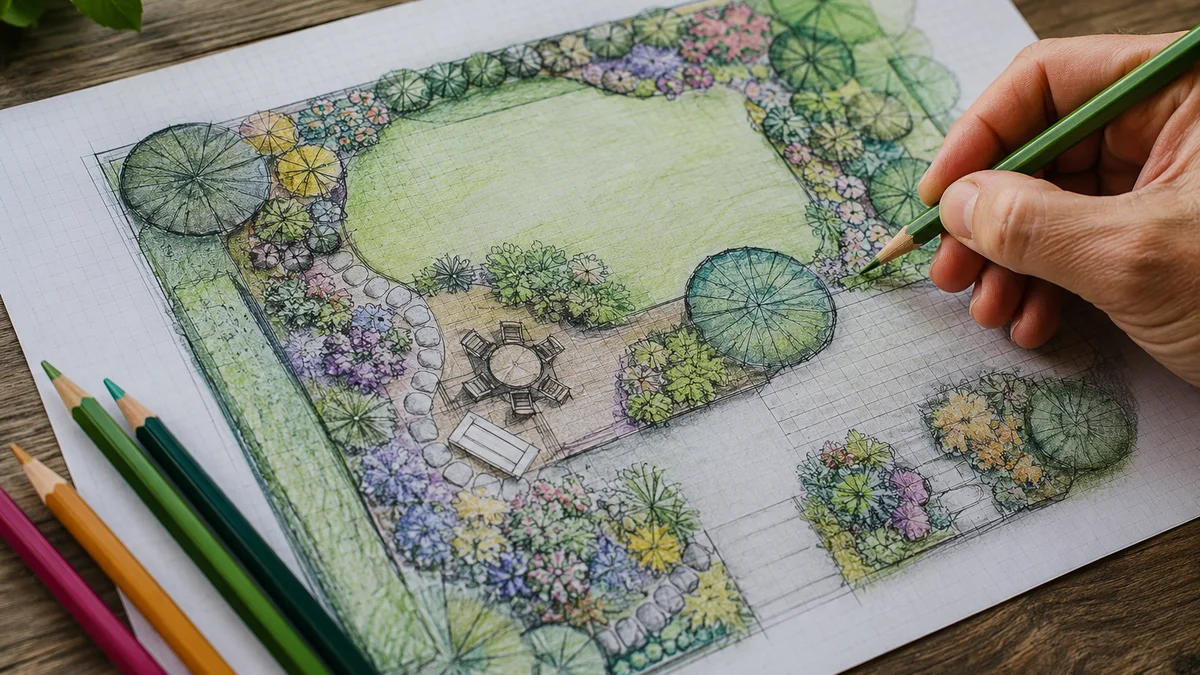
Visualizing your garden plan with a hand-drawn sketch.
Landscaping drawings are like blueprints for your dream oasis. They let you visualize your ideas before you even pick up a shovel. Imagine starting a painting without an outline. Total chaos, right? That’s what landscaping drawing helps you avoid.
And let’s be real: a detailed drawing can save time, resources, and the heartbreak of realizing your garden maze is way too ambitious for your tiny yard. Plus, it’s a fantastic way to get everyone on the same page—contractors, friends, family, and yes, even your skeptical spouse.
Tools and Techniques for Creating Landscaping Drawings
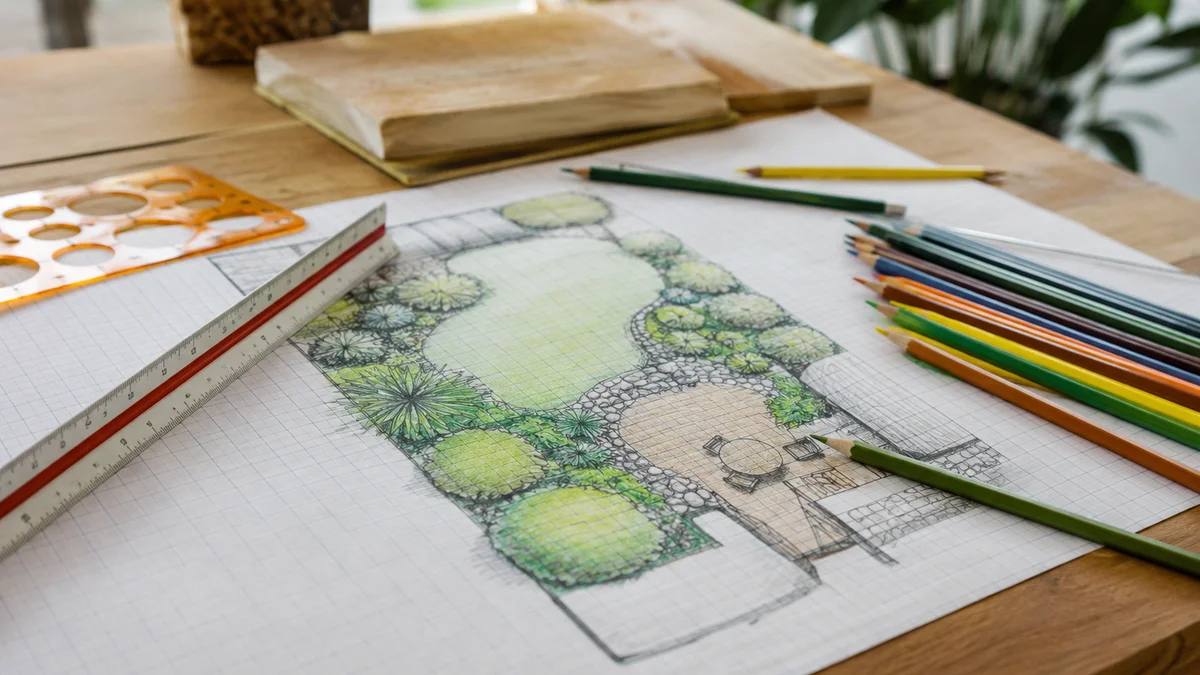
Essential tools for creating precise landscaping drawings.
So, how do you start this artistic adventure? First, gather your materials. Think of yourself as a modern Monet:
- Graph paper or digital design software: For precise measurements and scaling.
- A ruler or scale tool: Because freehand lines? They're a slippery slope to wonky paths.
- Color pencils or digital palettes: To splash some life into your vision with hues that'd make a rainbow blush.
Tools like Yard AI make this journey a breeze, offering digital solutions that automatically scale and visualize your ideas.
Step-by-Step Guide to Drawing Your Dream Yard
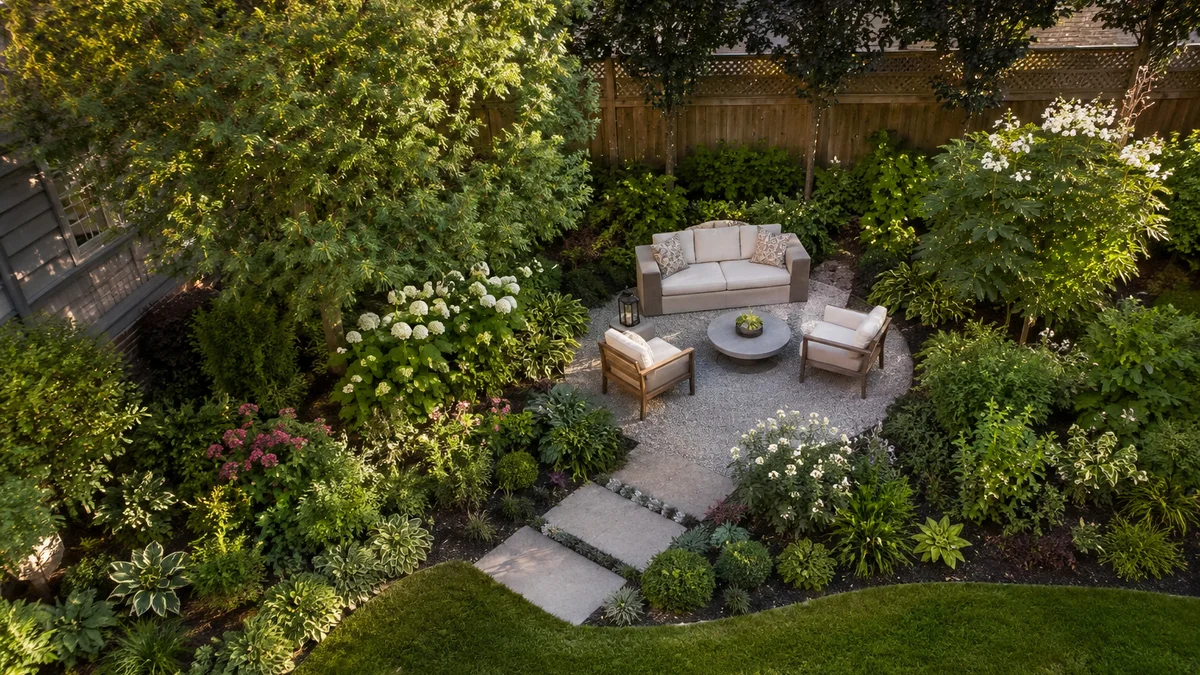
A harmonious balance of sun and shade in a small backyard.
- Measure Your Space: Start with your yard's dimensions. Get this right to avoid surprises later—like realizing your "lake" is more of a puddle.
- Sketch the Basic Layout: Draw existing elements—trees, structures, and yes, that mysterious garden gnome.
- Overlay Design Elements: Add features like walkways, plant beds, or a Zen garden (because who doesn’t need more Zen?).
- Add Details and Texture: Use textures and plant varieties to bring depth and personality to your design.
Feeling a bit overwhelmed? Explore more ideas to spark your imagination.
Incorporating Yard AI for Enhanced Visualization
Enter Yard AI, your digital landscaping fairy godmother. Upload a photo of your current yard, and watch as it transforms with AI-powered visualizations. Whether you're dreaming of a sleek, minimalist escape or a lush Mediterranean retreat, Yard AI offers personalized recommendations based on your climate and hardiness zone. Visualize your ideas and take your plans from paper to screen.
Common Mistakes to Avoid in Landscaping Drawings
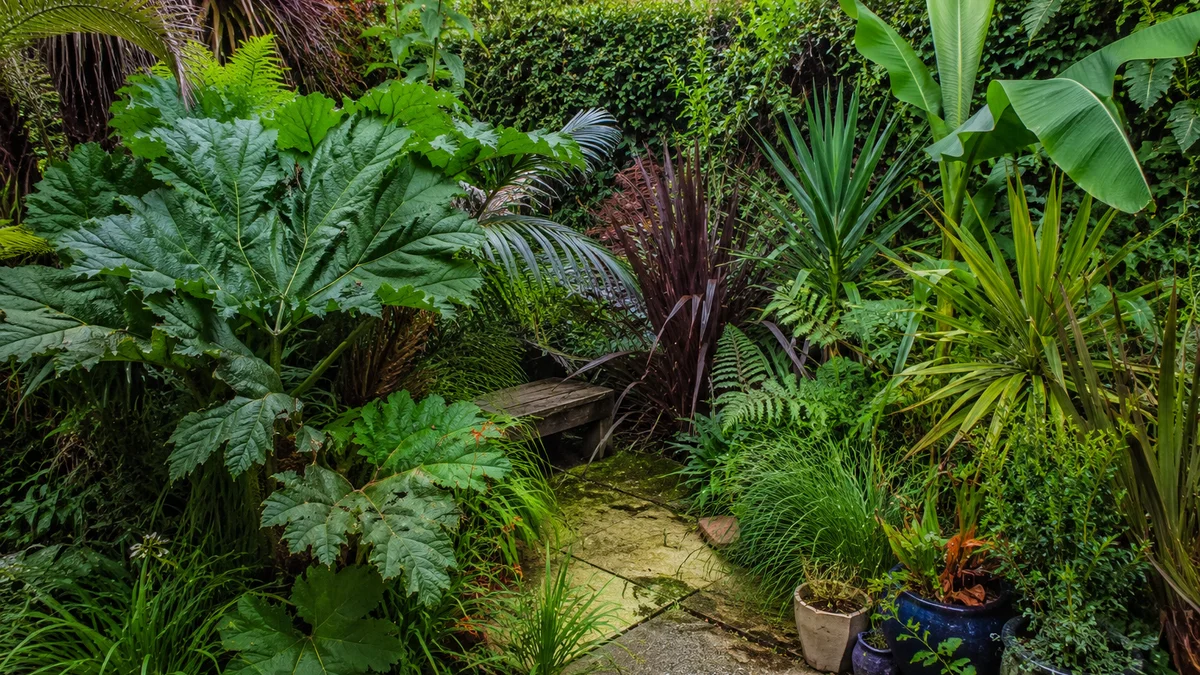
Avoiding overcrowding and style clashes in garden design.
- Ignoring Scale: Trust me, a 12-foot tree in a 10-foot space is a disaster waiting to happen.
- Overcomplicating the Design: Sometimes less is more. Avoid clashing styles unless you're aiming for 'eclectic.'
- Forgetting the Seasons: Plan for year-round beauty with plants that thrive in different seasons.
Case Studies: Successful Transformations with Landscaping Drawings

A successful transformation into a peaceful Zen garden.
Take Jane, for example. Armed with Yard AI visualizations, she turned her drab backyard into a vibrant Zen garden, complete with serene pathways and a koi pond. Her secret? Detailed planning and leveraging innovative landscape design ideas.
Tips for Homeowners: Bringing Your Drawing to Life
- Consult Experts: A second opinion can offer insights and maybe prevent your dream garden from becoming a jungle of nightmares.
- Prioritize Projects: Start with high-impact areas and expand gradually.
- Use Quality Materials: Invest in durable materials for longevity and sustainability.
Conclusion: The Future of Landscaping Drawings with Yard AI
As technology evolves, so does our ability to visualize and execute stunning landscapes. With Yard AI, homeowners can now bridge the gap between imagination and reality, realizing their dream yards with precision and ease.
For more inspiration, dive into our blog and unlock your backyard's potential!
Frequently Asked Questions
What are the benefits of using landscaping drawings for planning?
Landscaping drawings allow you to visualize ideas, communicate plans effectively, and avoid costly mistakes during the transformation process.
What tools do I need to create a landscaping drawing?
Basic tools include graph paper, a ruler, color pencils, or digital design software. Yard AI offers tools to simplify this process.
How can Yard AI enhance my landscaping design process?
Yard AI provides AI-powered visualizations that transform yard photos into potential designs, offering personalized recommendations based on climate.
What common mistakes should I avoid in landscaping drawings?
Avoid ignoring scale, overcomplicating designs, and neglecting seasonal changes to ensure a functional and visually appealing yard.
How can I bring my landscaping drawing to life?
Consult experts, prioritize key areas, and use quality materials. Yard AI can help visualize transformations before execution.

Ready to Transform Your Yard?
Yard AI turns a photo of your outdoor space into AI-powered design visualizations and a complete plan — free to start.