
Stunning Desert Landscape Design Ideas
Discover water-efficient plants and creative design tips for arid climates. Get inspired with cost estimates and seasonal previews tailored to your needs.
Inspiring Desert Landscape Ideas
Explore a collection of creative and sustainable design ideas for transforming your outdoor space into a stunning desert landscape.

Serene Gravel Pathway Oasis
Craft a tranquil walkway using decomposed granite, bordered by native cacti and succulents. This design emphasizes water conservation and low maintenance while adding texture and visual interest to your garden.

Dry Riverbed Charm
Create a dry riverbed using large river rocks and boulders to mimic natural water flow. This feature adds a rustic touch and serves as a visual centerpiece, perfect for any desert-themed landscape.

Cacti Focal Point Garden
Design a striking focal point in your garden using a variety of native cacti and succulents. Their unique shapes and colors create an eye-catching display that thrives in arid conditions.
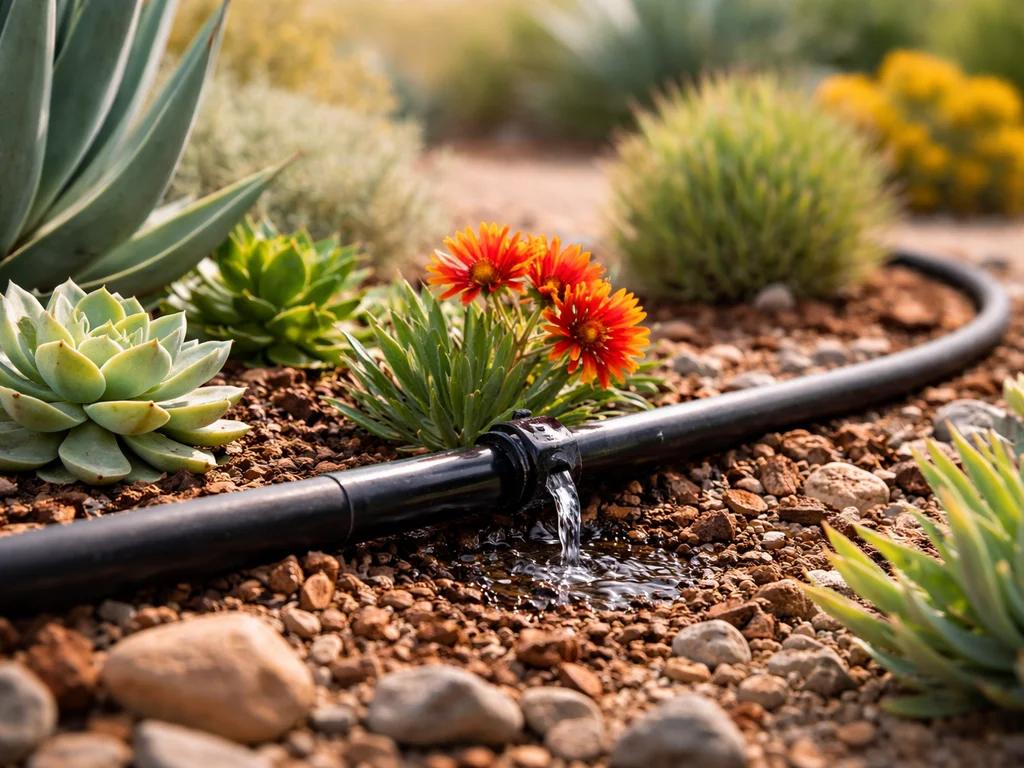
Efficient Drip Irrigation Install
Implement a drip irrigation system to ensure your desert plants receive the right amount of water. This efficient watering method conserves water and supports the health of your garden.

Elevated Desert Bed Design
Use raised beds to manage soil erosion and create a structured look in your garden. Incorporate native plants to maintain a cohesive desert aesthetic while promoting healthy soil management.

Outdoor Desert Lounge Area
Incorporate weather-resistant outdoor furniture into your landscape to create a comfortable and inviting space. Use boulders and gravel for a natural look that complements the desert environment.
Love one of these ideas? See it applied to your actual yard.
Overcoming Desert Landscape Challenges
Homeowners in desert regions face unique landscaping challenges, from water scarcity to maintaining aesthetic appeal.

Water Management in Desert Landscapes
Maintaining a lush yard in desert climates is difficult due to limited water resources and high evaporation rates.
The fix: Implement xeriscaping by using drought-tolerant plants and efficient irrigation systems to conserve water effectively.

Preventing Soil Erosion and Degradation
Desert landscapes are prone to soil erosion, which can damage plants and destabilize your yard.
The fix: Employ ground cover plants, mulch, and terracing to protect against erosion and manage slopes.

Weed Prevention in Arid Climates
Weeds compete with desired plants for resources, thriving even in harsh desert conditions.
The fix: Use pre-emergent herbicides and maintain proper mulching to effectively suppress weed growth.

Designing Aesthetic Desert Landscapes
Creating visually appealing desert landscapes is challenging due to limited plant variety and extreme conditions.
The fix: Incorporate hardscaping elements like rocks and gravel, and use native plants to add texture and color.
See What Your Desert Backyard Could Look Like
Upload a photo of your yard and get a personalized AI design in minutes — with cost estimates, plant recommendations, and seasonal previews.
Desert Landscape Cost Breakdown
Create a water-efficient desert landscape with native plants and hardscaping elements.
| Category | DIY Cost | Professional | |
|---|---|---|---|
| Materials | $200 – $800 | $1,000 – $5,000 | |
| Labor | $0 – $0 | $1,500 – $8,000 | |
| Site Preparation | $100 – $500 | $300 – $1,500 | |
| Permits/Fees | $0 – $100 | $200 – $500 | |
| Total | $500 – $2,000 | $3,000 – $15,000 |
Money-Saving Tips
- Choose native plants for lower costs and maintenance.
- Use rocks and gravel for an affordable design.
- DIY planting and mulching to save money.
Costs can vary significantly based on location and specific project requirements.
Want a personalized cost estimate for your specific yard?
Defining Desert Landscape and Yard Design
Desert landscape design emphasizes the use of drought-tolerant plants and natural materials to create a sustainable and visually appealing outdoor space. This style often incorporates earthy tones and textures, blending seamlessly with the arid environment.
Drought-tolerant Plants
Utilize succulents, cacti, and native desert flora to create a low-water landscape that thrives in arid conditions.
Water Conservation Features
Incorporate features like drip irrigation systems and rainwater harvesting to maintain a sustainable garden.
Natural Accents
Use boulders and river rocks to mimic natural desert formations and add visual interest.
Color Palette
Materials
Decomposed Granite
Ideal for creating natural-looking pathways and open areas.
Moderate cost; less expensive than pavers.
Large River Rocks
Perfect for constructing dry stream beds or as decorative elements.
Varies; can be sourced locally for cost savings.
Boulders
Used as focal points and to create natural accents in the landscape.
Costs depend on size and transportation.
Weather-resistant Outdoor Furniture
Provides comfortable seating that withstands harsh weather conditions.
Mid to high range depending on materials and design.
Do
- Incorporate native plants that require minimal watering.
- Use natural stone to enhance the desert aesthetic.
- Create shaded areas with pergolas or shade sails.
Don't
- Avoid using high-maintenance grass lawns.
- Don't introduce non-native plants that require excessive water.
- Steer clear of overly ornate or intricate garden structures.
See this style applied to your yard with AI-generated designs.
Frequently Asked Questions
What is the landscape of a desert?
The landscape of a desert is characterized by arid conditions, minimal precipitation, and extreme temperatures. It typically features sand dunes, rocky plateaus, sparse vegetation, and unique geological formations. These environments require special considerations for plant selection and water management in landscaping projects.
What is a desert landscape called?
A desert landscape is often referred to as xeriscape when designed specifically to conserve water. Xeriscaping involves using drought-tolerant plants and efficient irrigation systems to create sustainable and visually appealing landscapes in arid regions.
How to desert landscape your yard?
To desert landscape your yard, begin by selecting native, drought-resistant plants such as succulents and cacti. Incorporate hardscaping elements like gravel, stones, and boulders to reduce water usage. Utilize drip irrigation systems for efficient watering, and consider consulting Yard AI for tailored design suggestions and plant recommendations.
What are the 4 types of deserts?
The four types of deserts are hot and dry deserts, semi-arid deserts, coastal deserts, and cold deserts. Each type has distinct climate conditions and requires specific landscaping strategies to address challenges such as water scarcity and soil erosion.
How can I restore my desert landscape?
Restoring a desert landscape involves reintroducing native plants, improving soil quality, and implementing effective erosion control measures. It's essential to manage water efficiently, perhaps by using a drip irrigation system, and to prevent invasive species. Yard AI can assist in creating a restoration plan tailored to your specific environment.
What are some common landscaping mistakes to avoid?
Common mistakes in desert landscaping include overwatering, selecting non-native plants that require excessive maintenance, and neglecting soil erosion control. To avoid these, focus on native plants, efficient water use, and proper soil management. Avoiding these mistakes can save time and resources in the long run.
How to prevent weeds in desert landscaping?
Preventing weeds in desert landscaping can be achieved by using landscape fabric or mulch to suppress weed growth. Regular maintenance, such as removing weeds as they appear, is crucial. Additionally, using native ground covers can minimize open soil areas where weeds might thrive.
What is the biggest problem in the desert?
One of the biggest problems in desert environments is water scarcity. This impacts both plant survival and soil health. Efficient water management techniques, such as xeriscaping and drip irrigation, are essential for maintaining a sustainable desert landscape. Yard AI can help design water-efficient systems tailored to your needs.
What is the rule of 3 in landscaping?
The rule of 3 in landscaping refers to the design principle of grouping plants or elements in odd numbers, such as threes or fives, to create more visually appealing and balanced compositions. This rule can be applied effectively in desert landscapes by using clusters of drought-tolerant plants to enhance aesthetic appeal.
More Design Ideas
About Yard AI →
Ready to Visualize Your Desert Backyard?
Upload a photo of your yard and see it transformed with AI-generated design ideas, cost estimates, and seasonal previews.