Effective Landscape Mulch Planning for Aesthetic and Functional Yards with Landscape Edging

Key facts

Average mulch cost $30–$100 per cubic yard
Optimal mulch depth 3 inches
Mulch replenishment Every 3 months
Best mulch for azaleas Pine bark or pine needles
Yard AI feature Mulch calculator and cost estimator
Different types of mulch displayed in a garden.

Choosing the Right Type of Mulch for Your Landscape

Selecting the appropriate mulch involves understanding the differences between organic and inorganic options. Organic mulches, like wood chips and bark, decompose over time, enriching the soil but requiring periodic replenishment. Inorganic mulches, such as rubber or stone, are longer-lasting and generally better for decorative purposes but offer no soil benefits.

For specific plants like azaleas, pine bark or pine needle mulch is recommended due to its acidity, which complements the plant's needs. Yard AI can help you visualize how different mulch types will look in your yard, ensuring that both aesthetics and functionality are aligned with your landscape goals.

Proper mulch application in a backyard garden.

Calculating and Applying Mulch Correctly

The '3-3-3 rule' is crucial for optimal mulch application: apply mulch at a depth of 3 inches, leave a 3-inch gap from plant stems, and refresh every 3 months. This prevents suffocation of plant roots and helps maintain soil moisture effectively. Over-application can lead to root rot, while under-application may not provide sufficient weed suppression.

Using a mulch calculator, like the one provided by Yard AI, can help determine the exact amount needed based on your garden's square footage. This ensures you purchase just the right quantity, avoiding waste and unnecessary expense.

Mulch types with price tags at a garden center.

Budgeting and Cost Considerations for Mulch

Mulch costs vary widely, from $30 to $100 per cubic yard, depending on the material and local availability. Organic mulches like bark are typically on the lower end of the price spectrum, whereas rubber mulches can be more expensive due to their durability.

Yard AI's mulch cost estimator offers a practical tool for budgeting your landscaping project by generating cost estimates based on the type and amount of mulch selected. This feature is essential for managing costs effectively, especially in DIY projects where budget constraints are a common concern. Explore our yard design tool: https://yardai.app/generate

Transform Your Yard with Landscape Mulch

See the dramatic difference mulch can make in your landscaping project. Our interactive tool allows you to visualize before-and-after scenarios, helping you plan your mulch use for maximum impact and efficiency.

Yard design in spring

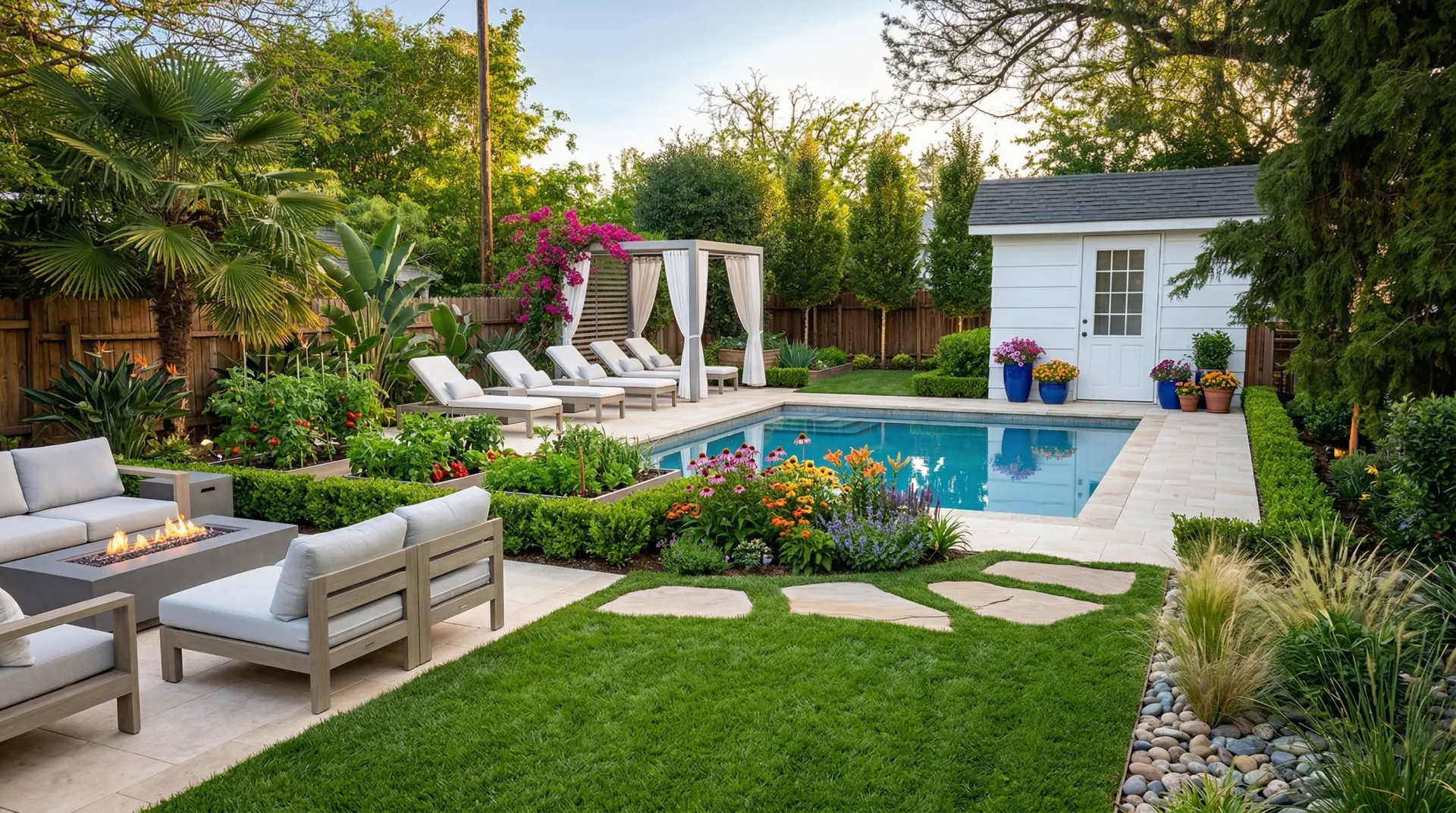
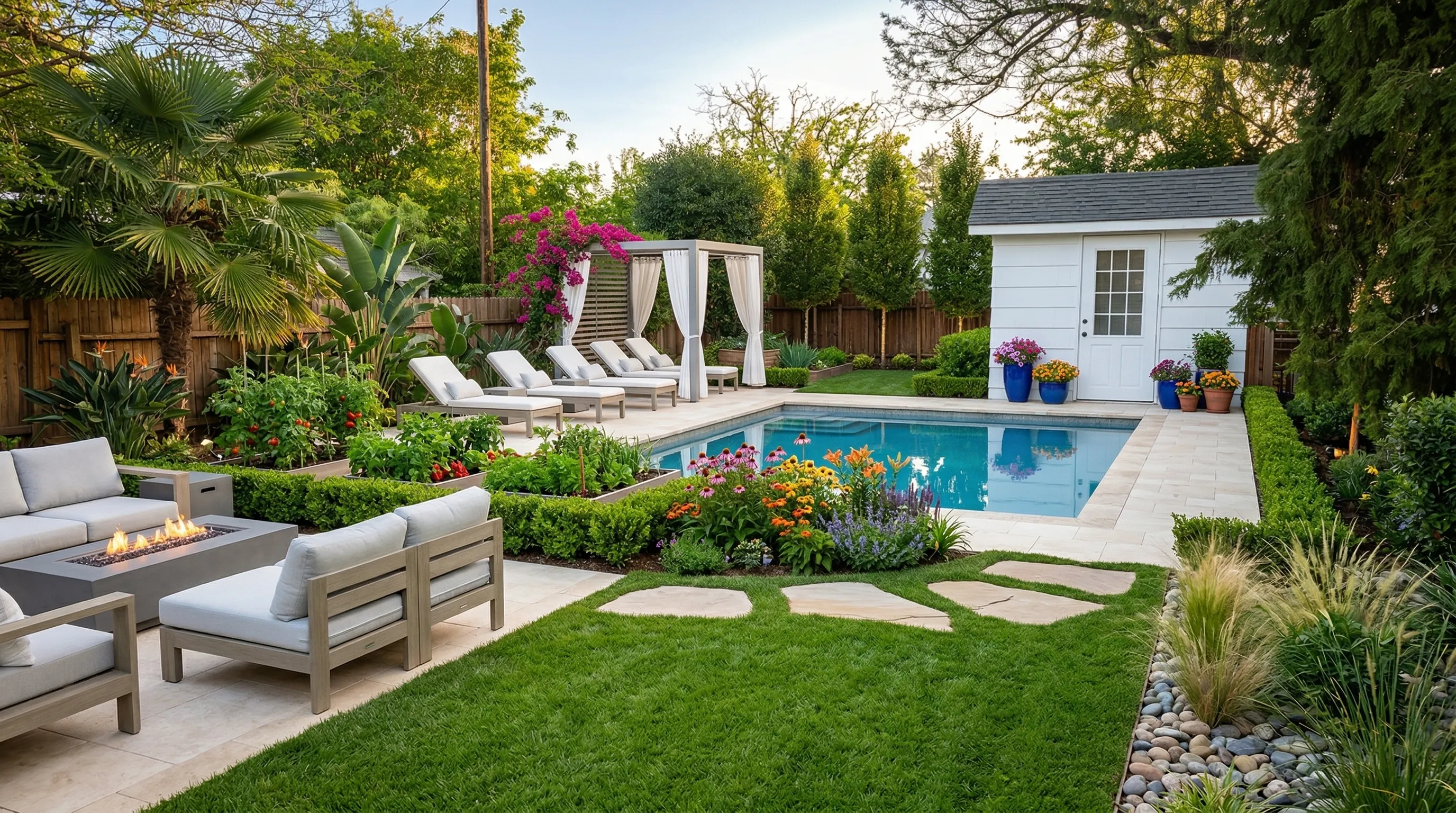
Luxurious Backyard Oasis

Dallas, Texas

Transform Your Landscape with Precision Mulch Planning and Visualization

Mulch quantity calculator overlay on a garden lawn.

Mulch Quantity Calculator

Accurately determine the exact amount of mulch needed for your landscape project. Our calculator considers your yard's dimensions and mulch depth preferences, ensuring no overbuying or waste. Check out our pricing options: https://yardai.app/#pricing

AI visualization of different mulch types in a garden.

AI-Powered Visualization

Visualize how different types of mulch will look in your existing landscape design. This feature helps you choose the mulch style that best complements your garden's aesthetics before making a purchase.

Personalized mulch recommendations in a garden.

Personalized Mulch Recommendations

Receive tailored mulch suggestions based on your local climate and specific plant needs. Our recommendations ensure that your mulch not only looks great but also supports your plants' health.

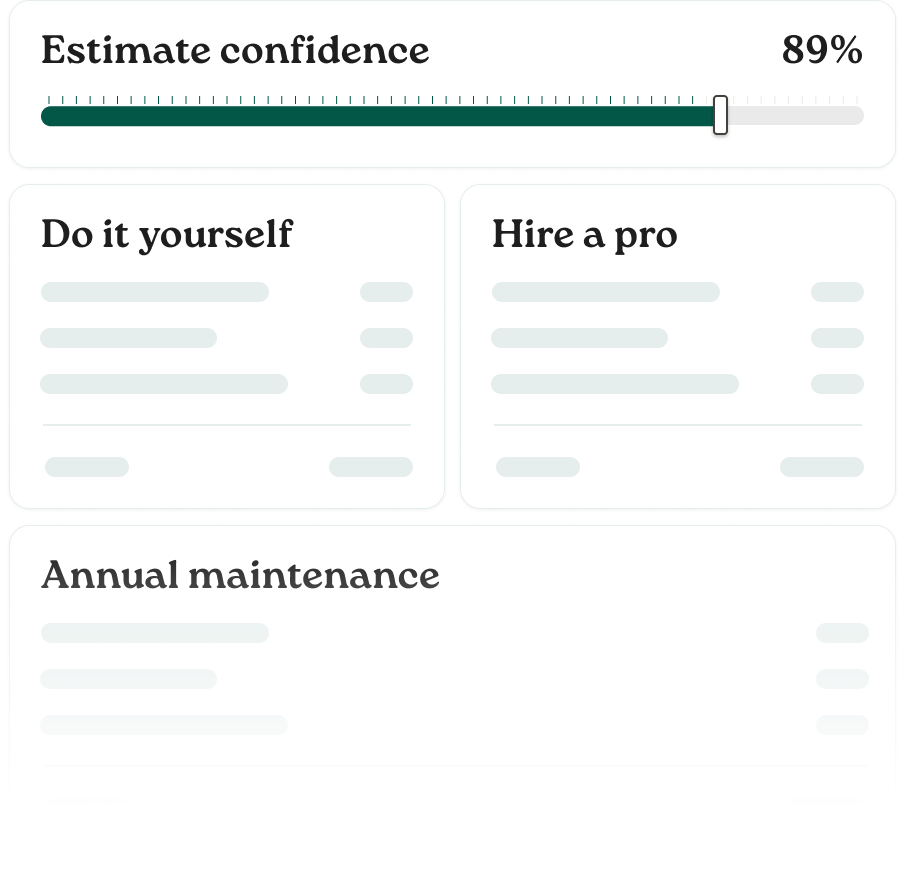
Comprehensive Cost Estimates

Comprehensive Cost Estimates

Get detailed cost breakdowns for different mulch types, including material costs and potential savings for DIY projects versus hiring a professional, helping you stay within budget.

Step-by-step guide for a mulching project in a backyard.

Step-by-Step Action Plan

Follow a clear, step-by-step guide tailored to your mulch landscaping project, providing confidence from planning through to execution, whether you're a DIY enthusiast or working with a contractor.

3D realistic yard renderings to visualize mulch placement
5 essential factors considered in each mulch estimation (depth, area, type, budget, and more)
3 types of mulch available for tailored recommendations: organic, inorganic, and decorative

Visualize Your Dream Landscape with Mulch

Bring your landscaping ideas to life and optimize your mulch use with our interactive tool.

Frequently asked questions

What is the best type of mulch to use for landscaping?

The best type of mulch depends on your specific landscaping needs. Organic mulches like wood chips and bark improve soil health and are ideal for gardens, while inorganic mulches like rubber are durable and low-maintenance, perfect for high-traffic areas. Consider your climate and plant types when choosing mulch. Read more on our blog: https://yardai.app/blog

What is the 3-3-3 rule for mulch?

The 3-3-3 rule for mulch suggests applying a 3-inch layer of mulch, keeping it 3 inches away from plant stems, and refreshing it every 3 months. This approach helps prevent plant root suffocation and ensures optimal moisture retention and weed control.

What is the best mulch for azaleas?

Azaleas thrive with organic mulches like pine bark or pine needles. These mulches help maintain the acidic soil conditions that azaleas prefer. Ensure a layer of about 2-3 inches for adequate coverage and nutrient supply.

What is a common mistake when applying mulch?

A common mistake is applying mulch too thickly, which can suffocate plant roots and lead to poor plant health. It's important to adhere to the 3-3-3 rule and avoid piling mulch against plant stems to prevent rot and pest issues.

How do I calculate the amount of mulch needed for my project?

To calculate the amount of mulch needed, measure the area in square feet and multiply by the desired depth in inches, then divide by 324 to convert to cubic yards. Yard AI offers a mulch calculator to help simplify this process and provide accurate estimates.

How much does mulch typically cost?

Mulch costs range from $30 to $100 per cubic yard, depending on the type and availability. Organic mulches like wood chips are generally less expensive, while rubber and decorative stones can be pricier. Using a mulch cost estimator like Yard AI can help you budget effectively.

What mulch is best for dry climates?

In dry climates, inorganic mulches like gravel or rock are ideal as they don't decompose quickly and help retain soil moisture. However, if you prefer organic options, opt for mulches that break down slowly, such as bark or shredded wood.

Can I use mulch in wet climates?

Yes, but it's crucial to select mulch that allows for good drainage, such as pine bark or hardwood chips. These types help prevent waterlogging and promote soil aeration. Yard AI's mulch planning tool can assist you in selecting the right mulch for wet conditions.

Get Started with Your Landscape Mulch Project Today